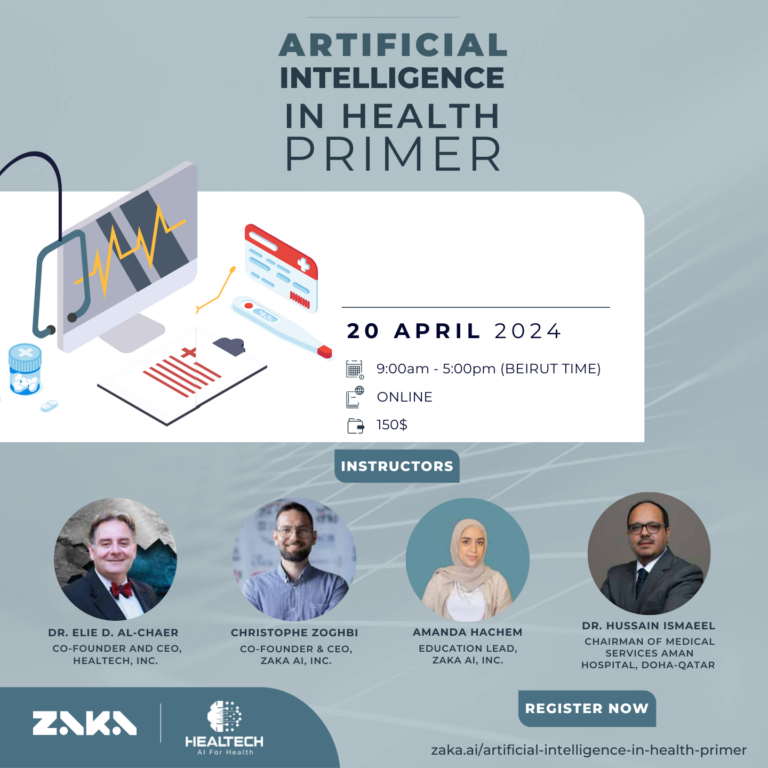

In the rapidly evolving landscape of healthcare, technological advancements continue to reshape how medical practices operate. Among these innovations, Artificial Intelligence (AI) stands out as a transformative force, offering unprecedented opportunities to streamline administrative processes, improve patient care, and enhance overall efficiency. In this blog post, explore the role of AI in medical practice management, its benefits for both healthcare providers and patients, and real-life examples of its implementation in modern healthcare settings.
Introduction to AI in Medical Practice Management:
AI encompasses a diverse range of technologies that enable machines to perform tasks that typically require human intelligence. In the context of medical practice management, AI systems are employed to automate administrative tasks, optimize scheduling, enhance decision-making processes, and personalize patient care.
Benefits of AI in Medical Practice Management:
- Streamlined Administrative Processes: AI-powered solutions automate routine administrative tasks such as appointment scheduling, billing, and documentation, reducing the burden on administrative staff and allowing them to focus on more complex responsibilities.
- Optimized Scheduling: AI algorithms analyze patient data, historical appointment patterns, and physician availability to optimize scheduling, minimizing wait times and maximizing efficiency for both patients and providers.
- Improved Decision-Making: AI-driven analytics tools analyze vast amounts of patient data to identify trends, predict outcomes, and recommend personalized treatment plans, empowering healthcare providers to make informed decisions and deliver optimal care.
- Enhanced Patient Engagement: AI-enabled chatbots and virtual assistants provide patients with instant access to information, appointment scheduling, medication reminders, and follow-up care instructions, improving communication and engagement between patients and providers.
“Eventually, doctors will adopt AI and algorithms as their work partners. This leveling of the medical knowledge landscape will ultimately lead to a new premium: to find and train doctors who have the highest level of emotional intelligence.”
― Eric Topol, Deep Medicine: How Artificial Intelligence Can Make Healthcare Human Again
Real-Life Examples of AI in Medical Practice Management:
- Automated Documentation: By utilizing an AI-powered documentation assistant that transcribes patient encounters in real-time, documentation time is reduced by 50%. This allows providers to spend more time with patients and focus on listening, explaining and understanding the deeper needs of patients. One interesting example is Corti’s ICD code identifier (Corti – AI for Patient Consultations, n.d.), which in addition to transcribing suggests ICD codes for the billing process.
- Predictive Analytics: Leveraging AI-driven predictive analytics tools to identify patients at high risk of having positive stress tests, cardiologists can now test those who really need it. This can lead to reduction of unnecessary exposure to radiation to patients and cost-reduction for the healthcare system (Isma’eel, 2018).
Challenges and Considerations:
While AI holds immense promise for medical practice management, there are several challenges and considerations to address, including data privacy and security concerns, regulatory compliance, integration with existing systems, and the need for ongoing training and education for healthcare providers.

In conclusion, AI is revolutionizing medical practice management by streamlining administrative processes, optimizing scheduling, improving decision-making, and enhancing patient engagement. By harnessing the power of AI technologies, healthcare providers can deliver more efficient, personalized, and high-quality care to their patients. As we continue to embrace innovation and technology in healthcare, the future of medical practice management looks increasingly promising, with AI leading the way towards a more efficient and
patient-centered healthcare system.
References:
Isma’eel HA, Sakr GE, Serhan M, Lamaa N, Hakim A, Cremer PC, Jaber WA, Garabedian T, Elhajj I, Abchee AB. Artificial neural network-based model enhances risk stratification and reduces non-invasive cardiac stress imaging compared to Diamond-Forrester and Morise risk assessment models: A
prospective study. J Nucl Cardiol. 2018 Oct;25(5):1601-1609. doi: 10.1007/s12350-017-0823-1. Epub 2017 Feb 21. PMID: 28224450.
Corti – AI for Patient Consultations. (n.d.). https://www.corti.ai