What Our Community Built with AI in Three Days | FUN Challenge

It is easy to talk about what AI might make possible. It is a different experience to take an idea, try to build it, run into problems, and keep going until you have something you can show someone else

That was the purpose of the FUN Challenge, organized by ZAKA Community with the support of NXT by AM Bank. We invited people to build something with AI that made others laugh or was useful for their work or community. There was no fixed theme and no coding background required. The starting point was an idea and the willingness to try.

Making room for more people to build

AI challenges can give people a practical way in. Someone who has never built an AI project can start with a problem they understand. Someone with more experience can test an idea outside their usual work. People can bring different skills to a team and figure things out together.

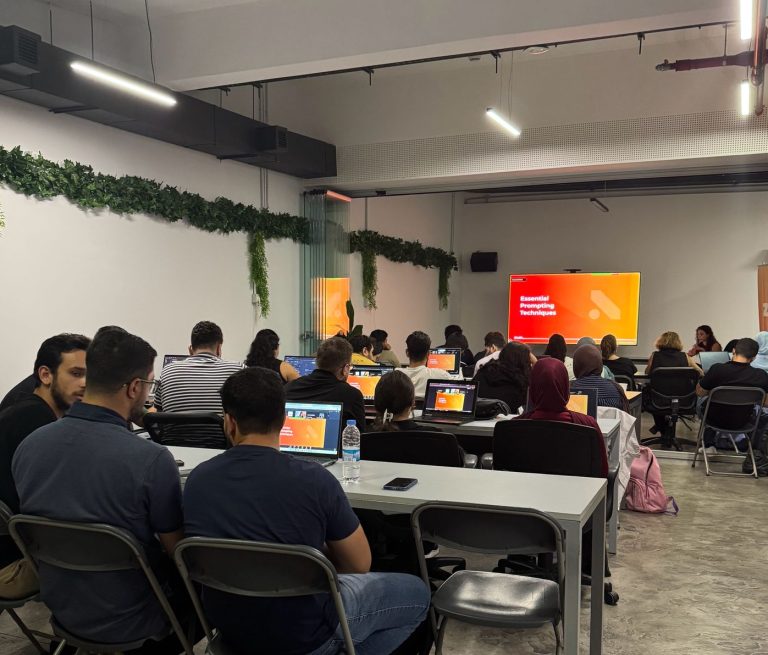
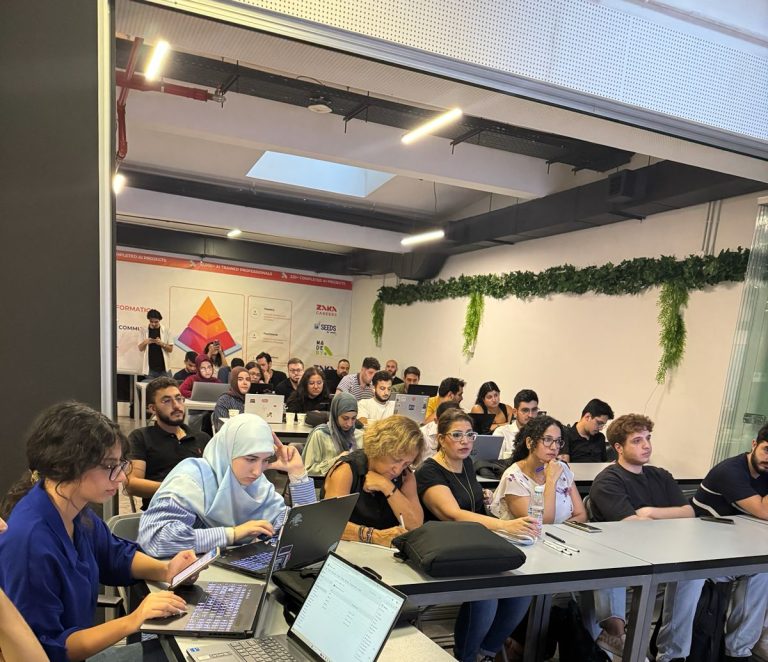
For the FUN Challenge, participants could build on their own or in teams of two to four. On September 14, Joseph Elias, an AI Engineer at ZAKA, led a workshop showing participants how to use Google Apps Script to build an application quickly. Three days later, on September 17, participants had to submit the projects they had built.

The short build period gave everyone a reason to move beyond planning. It encouraged participants to make choices, test what worked, and learn from what did not. Those steps matter even when a project is unfinished or does not reach the final stage: they help people see themselves as capable of making something with AI.

The ideas came from everyday life

The finalists showed what can happen when people start with something they know. Teta’s Recipes explored how a grandmother’s Lebanese voice note could become a recipe a family can cook and keep. MUSE approached AI as a mentor that asks students questions while they learn to code, instead of handing them answers. Roastumé used humor to make feedback on CVs and job descriptions more useful.

Other teams built for shared experiences. فارت القهوة! turned passing a phone around over coffee into a suspenseful party game. Hunt.AI made a scavenger hunt out of the objects around players. Wayn? imagined outings as personalized missions, while FOMOA focused on helping people turn plans they keep putting off into experiences with others.

There was room for playful takes on the tools themselves, too. DevChaos turned prompt writing into a game with pixel-art characters and feedback in Lebanese Arabizi. Excuse Judge and Kezbe Bayda brought AI into the familiar comedy of finding an excuse. The projects did not follow one definition of a “serious” AI application. They reflected the different things participants noticed, cared about, and wanted to try.

Bringing ideas into the community

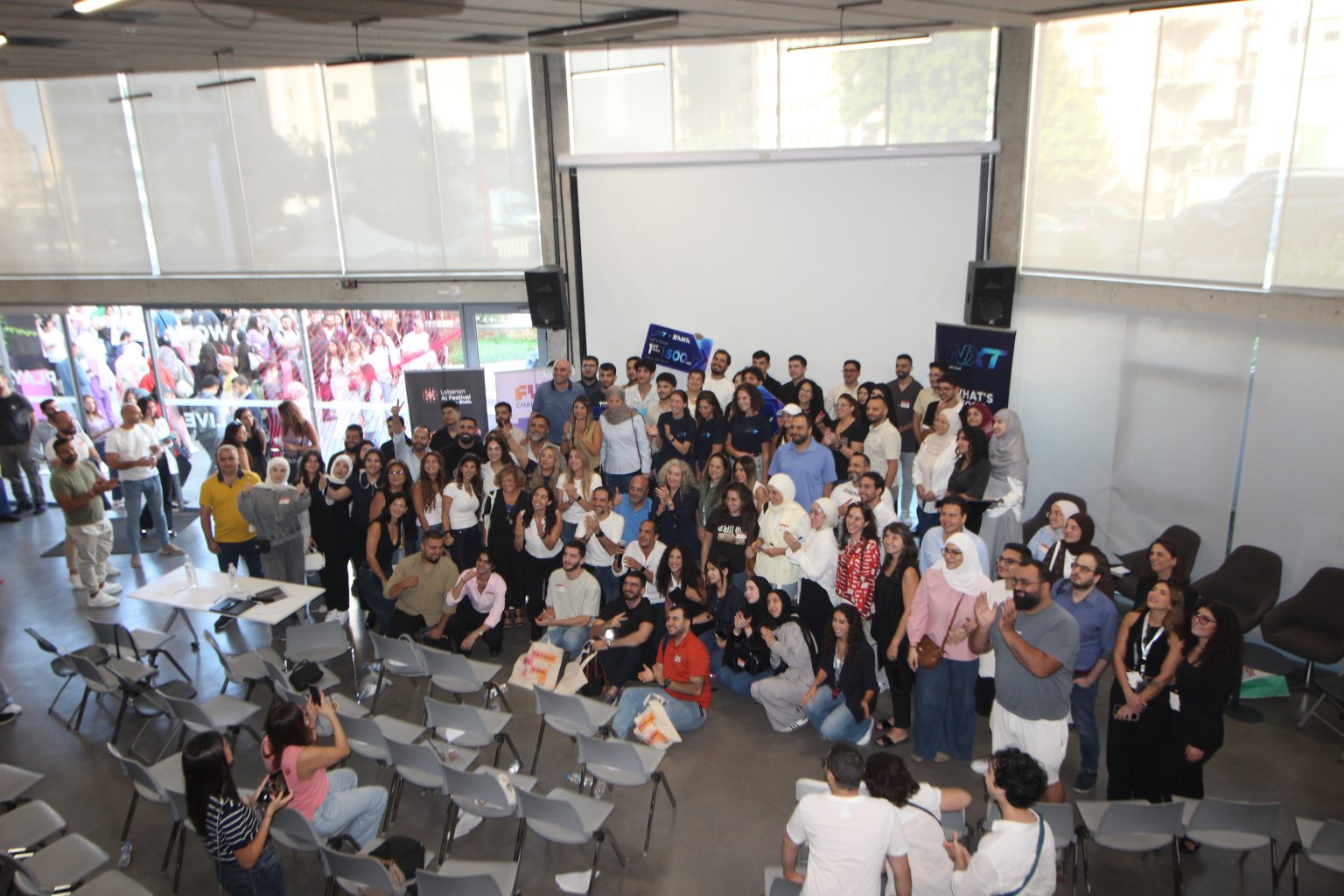
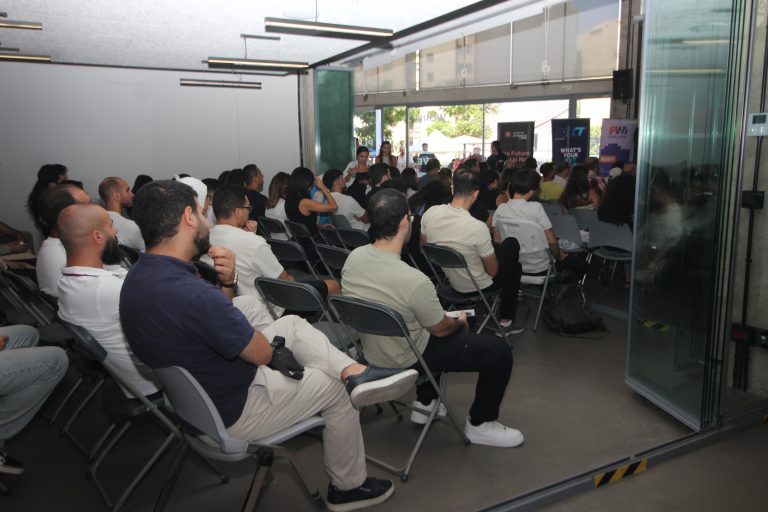
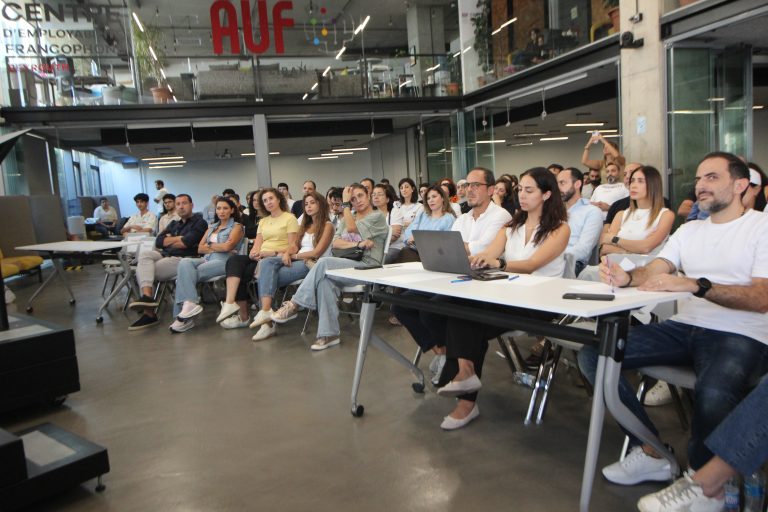
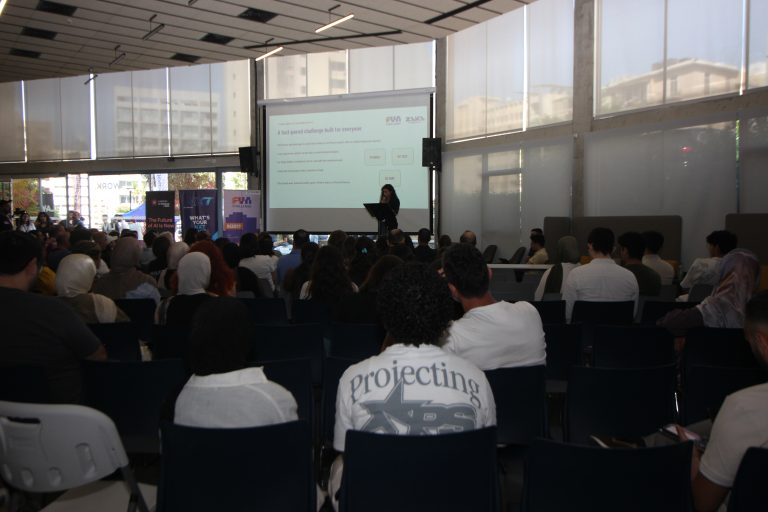
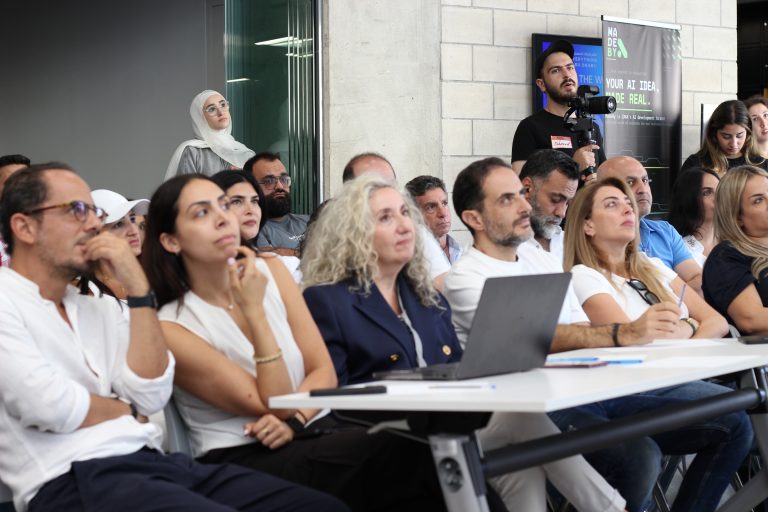
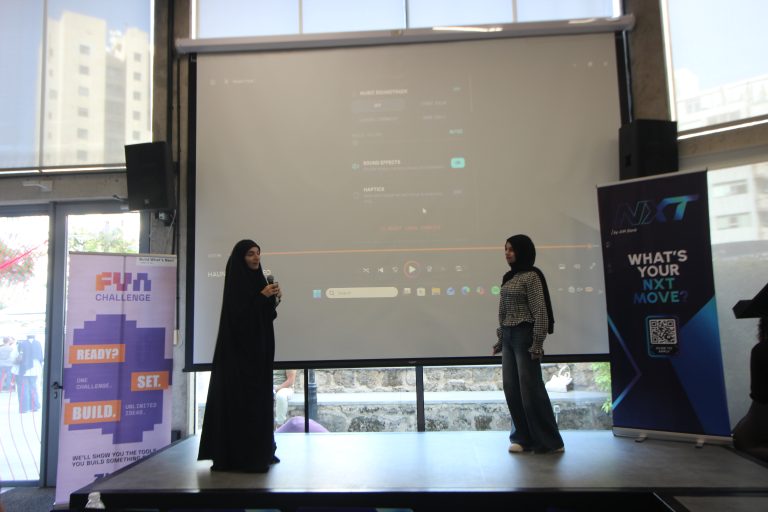
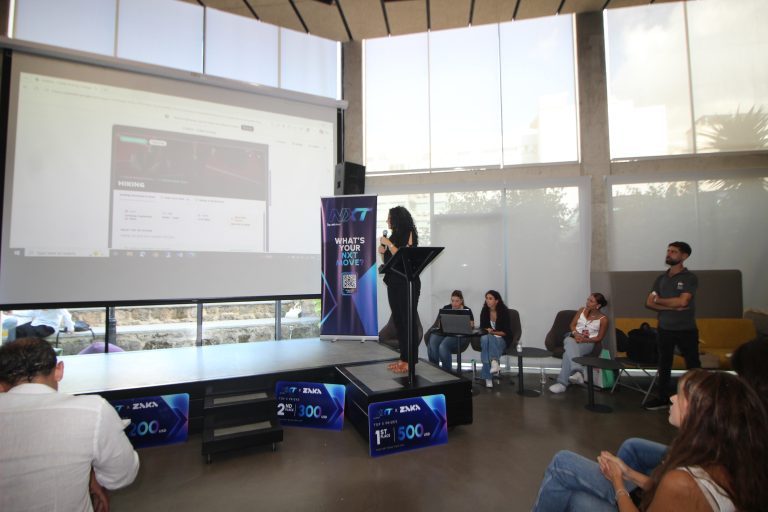
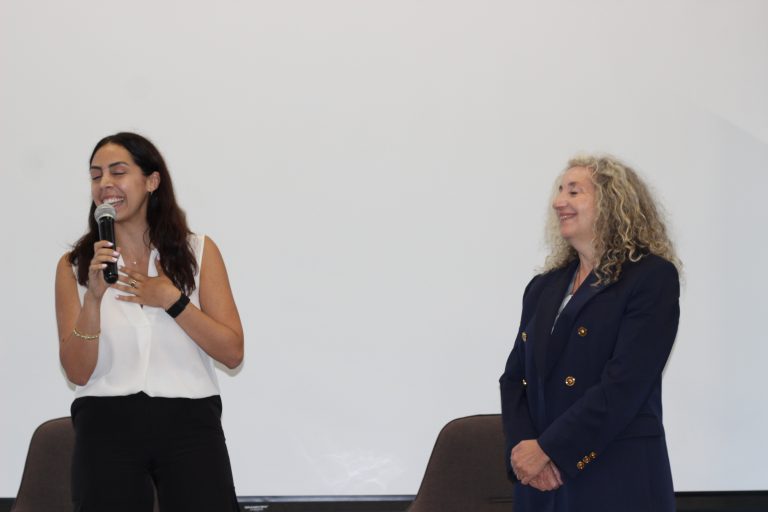
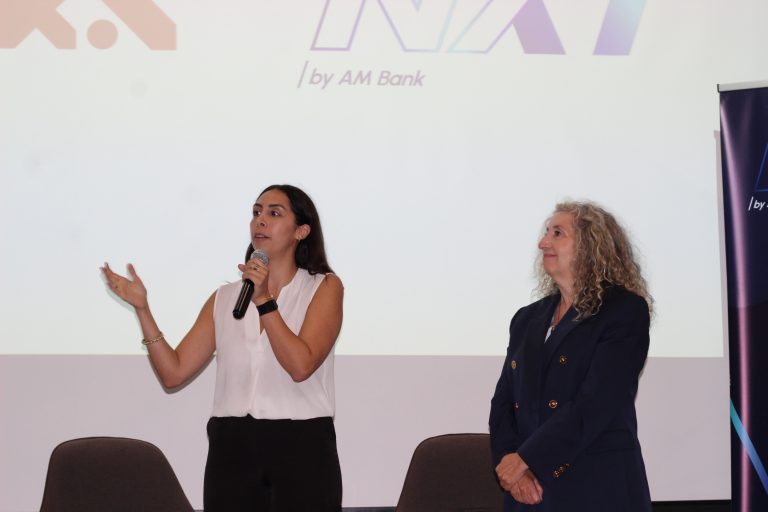
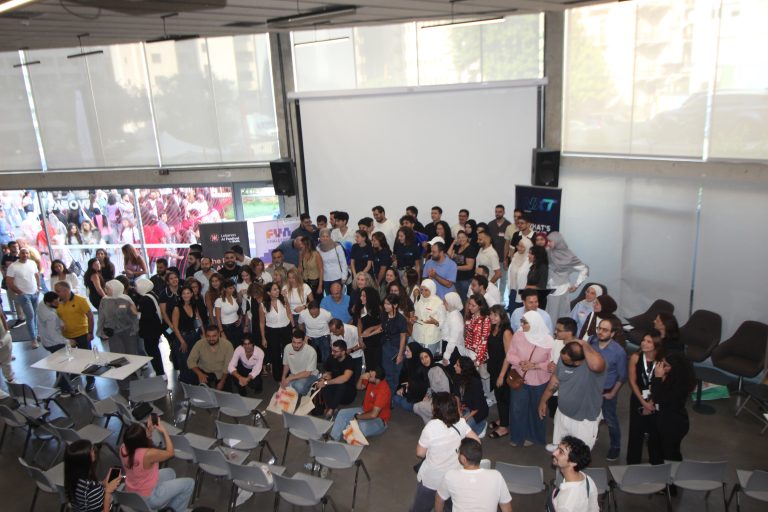
On September 19, 12 finalist teams presented their projects live at the Lebanon AI Festival. For the teams, the finale was an opportunity to explain their ideas, show what they had made, and get a response from people beyond their own circles. For the audience, it was a chance to see AI used by people in their community, for ideas they had chosen themselves.

That exchange is part of why challenges like this matter. A live demo can start a conversation. One team’s approach can give someone else an idea. Watching a peer build a working project can make the first step feel more achievable.

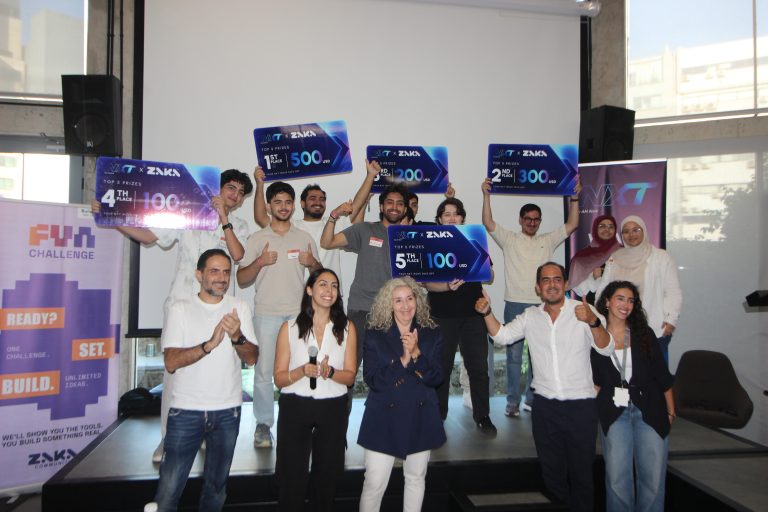
The challenge also awarded $1,200 in cash prizes across five places from NXT by AM Bank. The prizes celebrated the teams’ work, while the larger value of the challenge lay in giving participants a reason to start building and a community to share it with.

The FUN Challenge began with a simple invitation: make something with AI. Its impact goes beyond the 12 projects presented on stage. It lies in giving more people the chance to experiment, work together, and contribute their own ideas to what AI can become in their work and communities.

en_USEnglish