Lebanon AI Festival 2026: Over 1,000 People Came Together to Learn, Build, and Apply AI

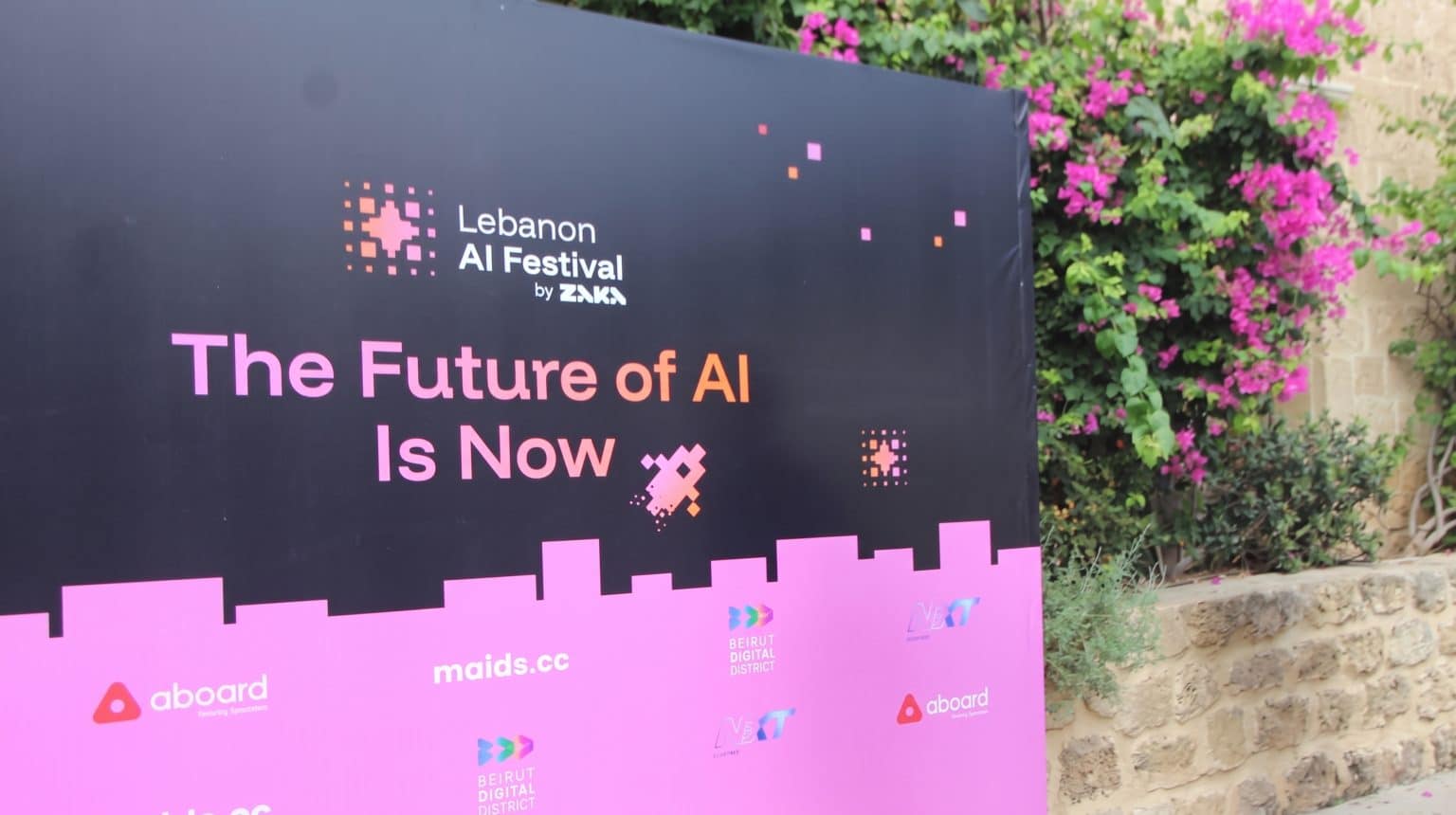
On September 19, Beirut Digital District became the meeting point for Lebanon’s AI community.
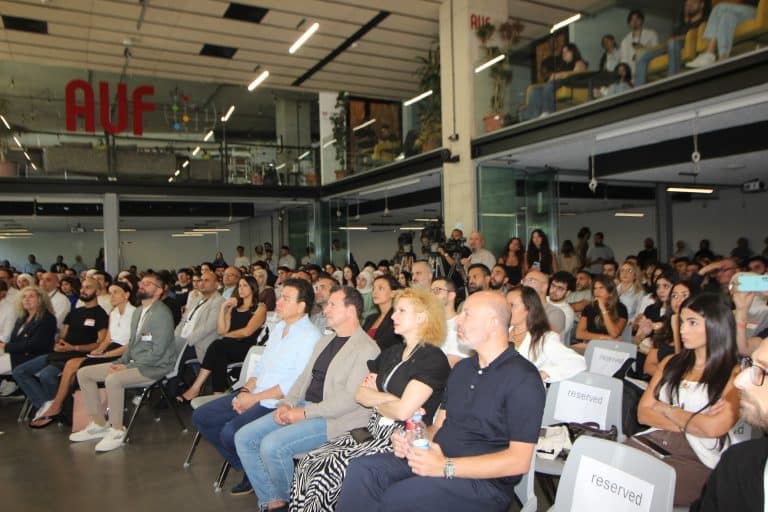
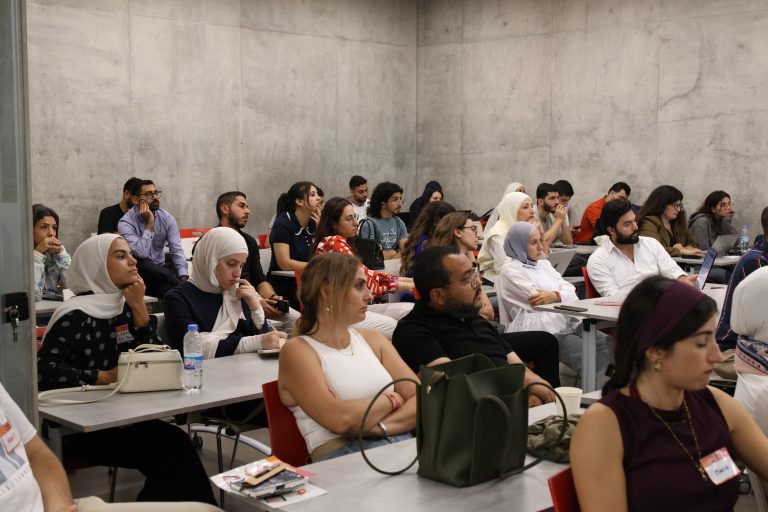
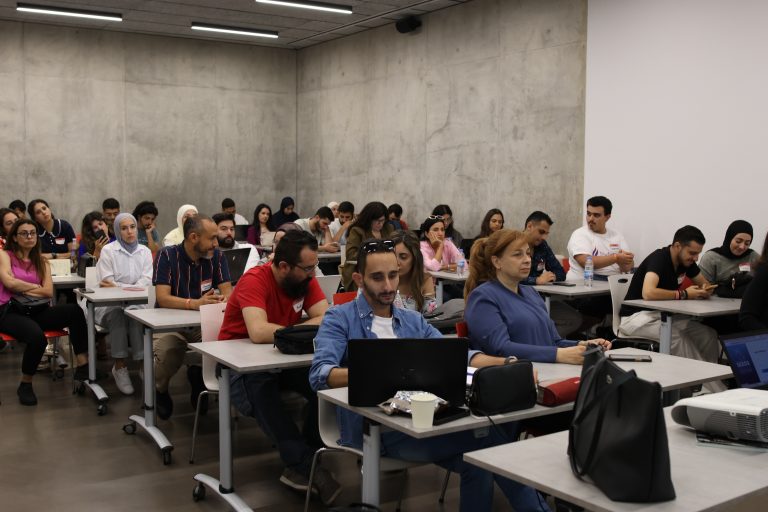
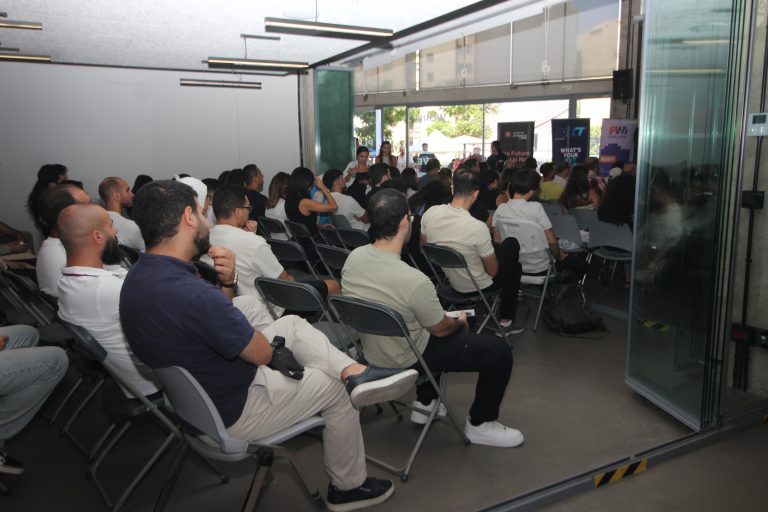
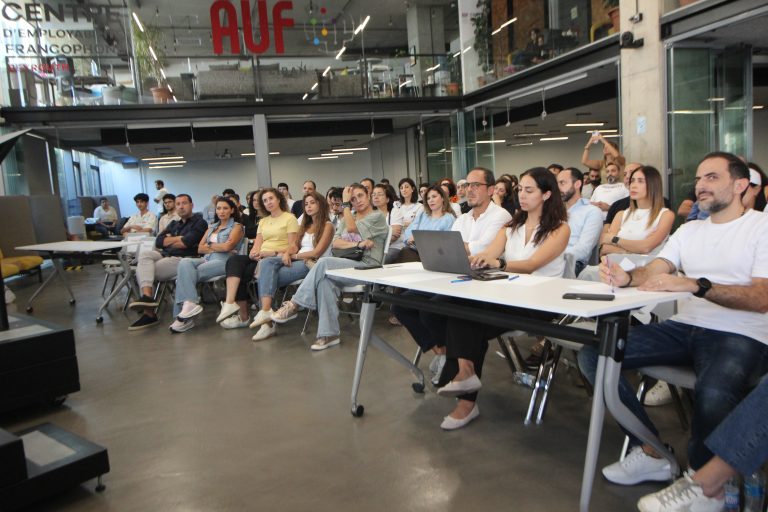
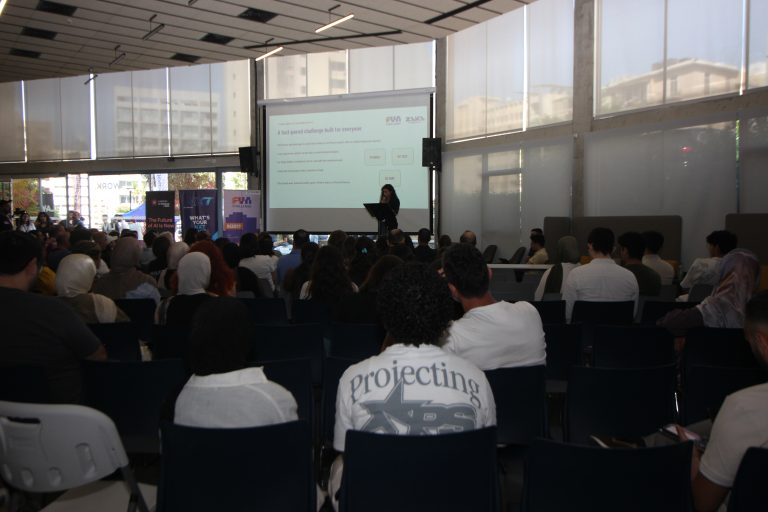
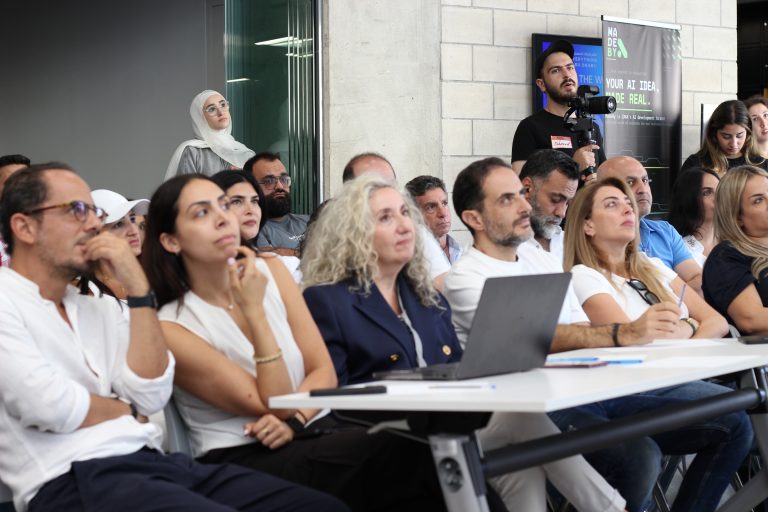
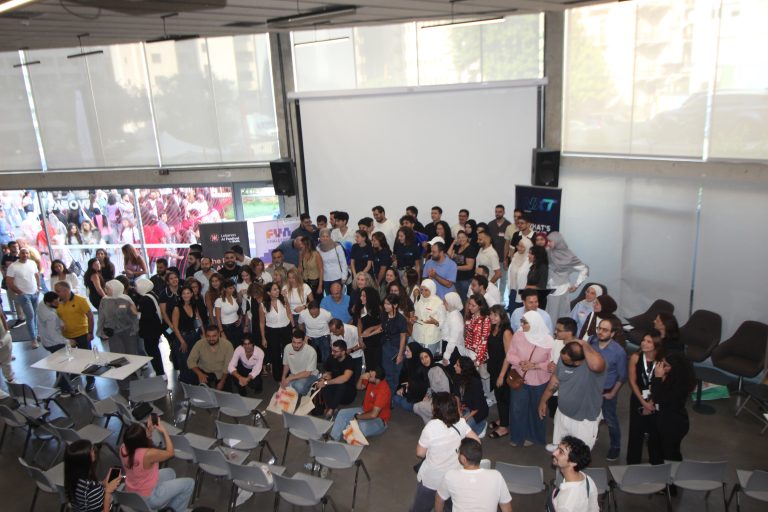
More than 2,000 people registered for Lebanon AI Festival 2026, and over 1,000 people attended throughout the day.

Developers, founders, students, educators, product leaders, marketers, engineers, companies, and communities came together around one idea:
Celebrating Lebanon’s AI Talent.

From the beginning, we wanted the Festival to be practical. Not a day where people only sit and listen to predictions about AI, but one where they could understand what companies are doing with it today, learn directly from practitioners, build with new technologies, and leave with ideas they could actually apply.

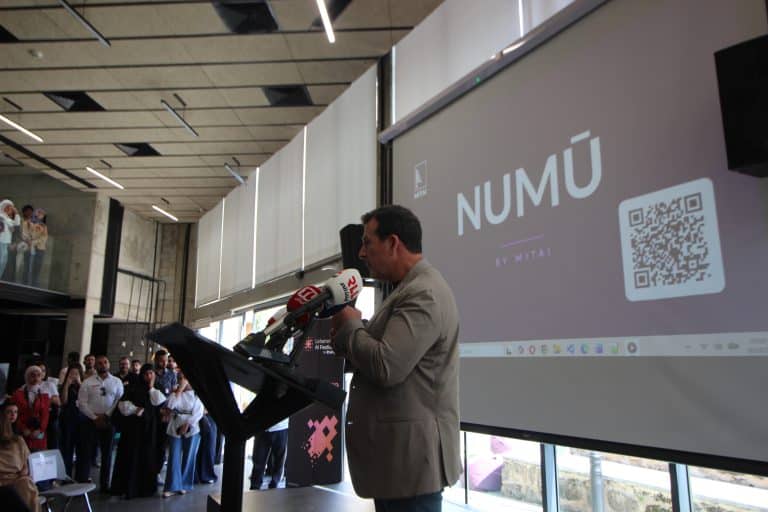
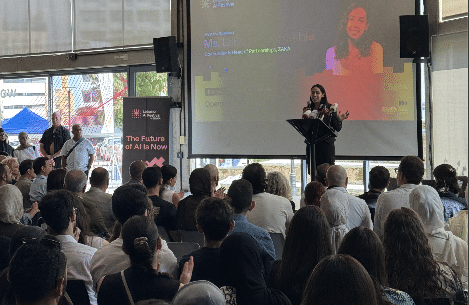
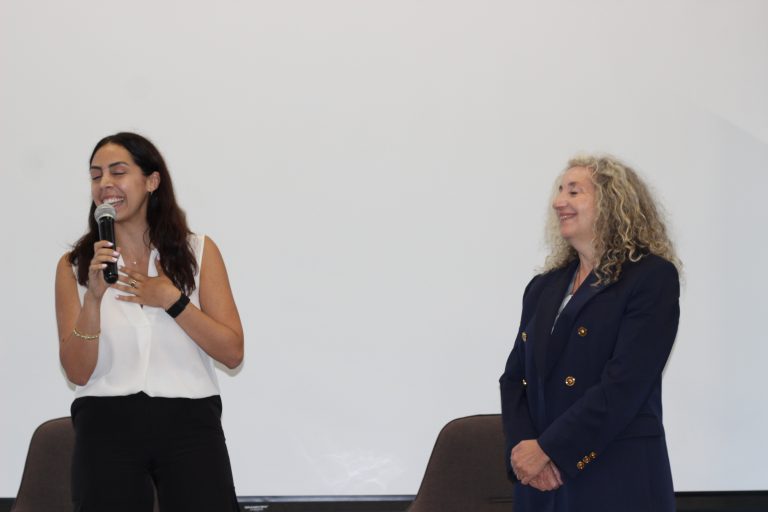
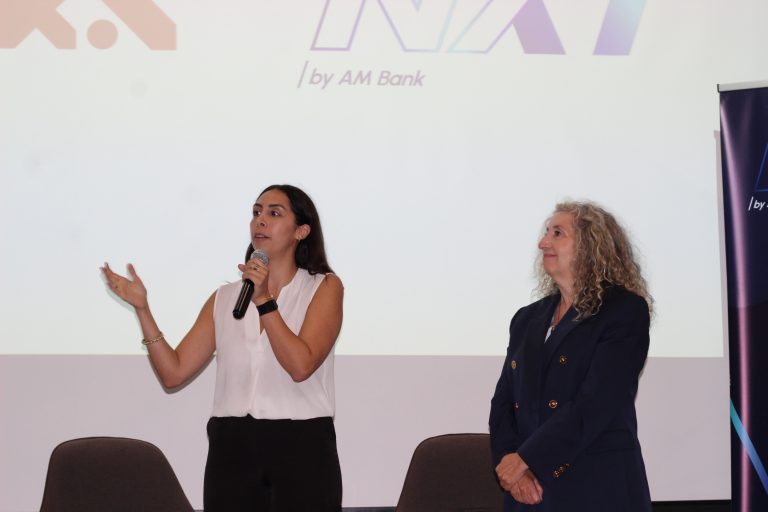
The Festival officially opened with remarks from ZAKA Co-founder Larissa Abi Nakhle, followed by Ms. Kim Mouawad, Chief Growth Officer, and His Excellency Dr. Kamal Shehadeh, Minister of State for Information Technology and Artificial Intelligence of the Republic of Lebanon.

During the opening, Larissa shared a line that captured the spirit of the day:

“The future of AI in Lebanon will not be decided somewhere else by someone else. It will be decided in rooms like this one.”

That idea stayed relevant throughout the Festival. The people in the room were not only observing what is happening in AI. They were the people deciding what gets built, what gets adopted, what skills companies need, what students should learn, and how AI will actually be used across different sectors.

Real conversations about building and adopting AI

The Main Stage focused on the questions companies, founders, and professionals are facing right now.
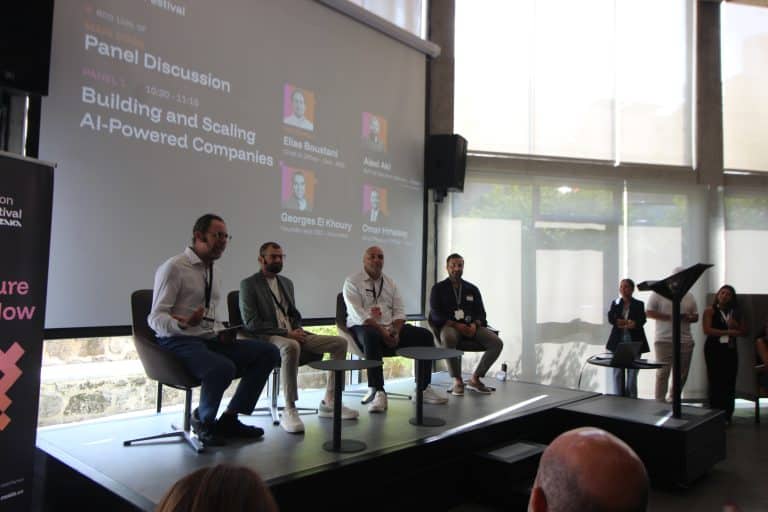
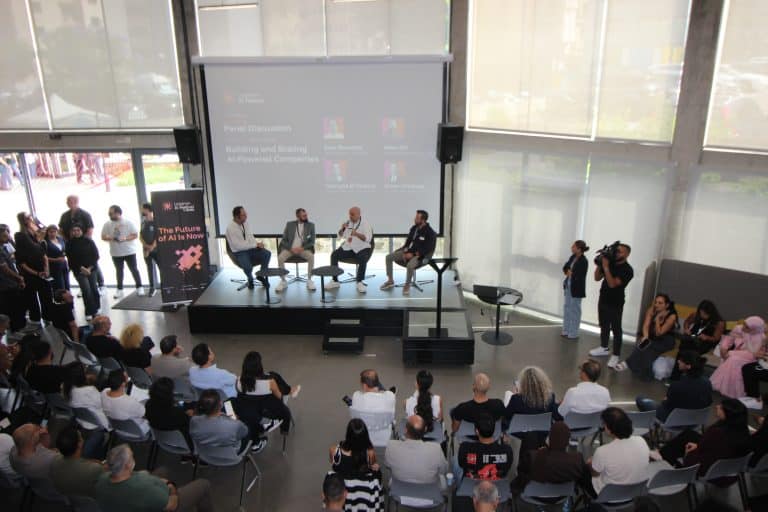
The panel Building and Scaling AI-Powered Companies, moderated by Elias Boustani, brought together Alexi Akl, Georges El Khoury, and Omar Hmaissy to discuss what it takes to build AI-powered products, scale technology companies, and compete globally from Lebanon.

The company talks kept the same practical tone. Moustafa Wehbe shared how AI can turn climate data into decisions, Manouella Helou challenged assumptions around what an AI-enabled company can look like, and Toufic Khoury gave the audience a look into the intelligence behind every Toters order.


Dalia Raydan explored what it means to bring AI into classrooms, while Karim Raad looked at the roadmap organizations can follow as they move from isolated AI experiments toward becoming AI-enabled enterprises.


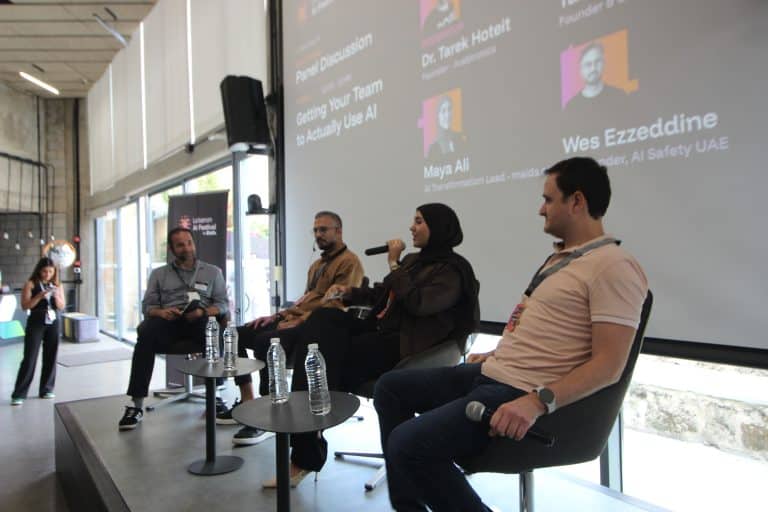
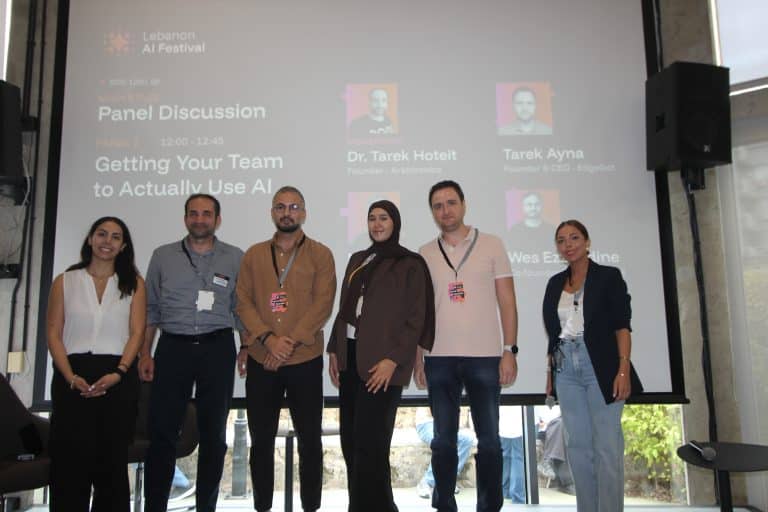
The Festival also looked at AI adoption from the people’s side. The panel Getting Your Team to Actually Use AI, moderated by Tarek Hoteit with Tarek Ayna, Maya Ali, and Wes Ezzeddine, focused on a very real challenge: giving teams access to AI is relatively easy, but getting people to actually change the way they work is much harder.

Elie Jean Azzi brought AI into the hiring conversation with a session on next-generation talent matching, Marwan Atallah introduced Forward MENA, and Larissa Abi Nakhle spoke about why an AI career does not grow in isolation.

Hands-on technical sessions built around doing


The technical track was designed for developers, engineers, and technical students who wanted to go deeper.

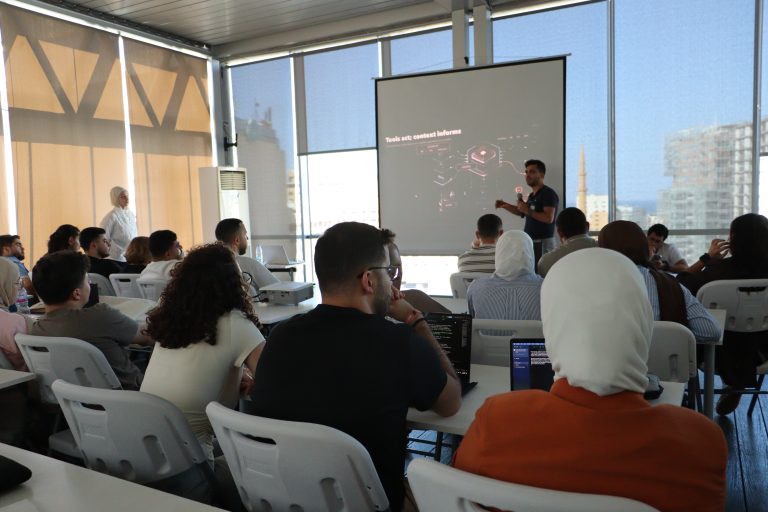
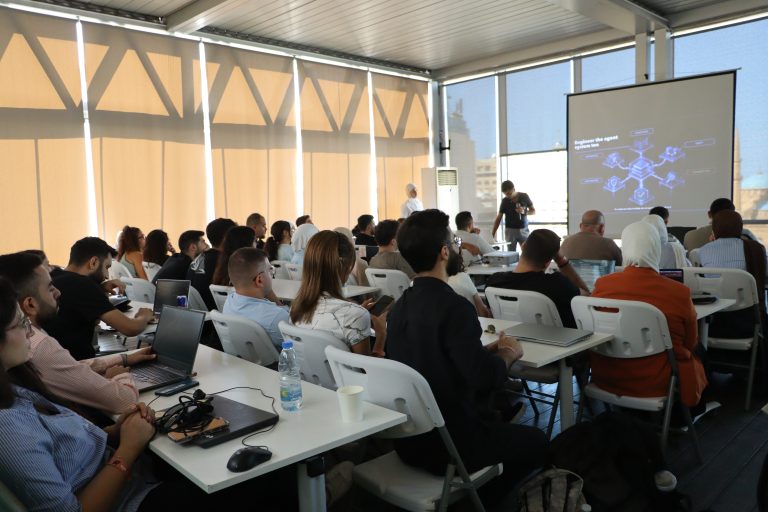
Fadi Assaad led Beyond the Chat Box: The Tool-Calling Loop, exploring how AI systems can move beyond simple prompting and start interacting with tools, APIs, and workflows.


Later, Nicolas Hawat, Founder and CEO of Start Me Up AI and builder of Byblos AI, led Software Engineering with AI: From Agentic Coding to Production-Ready Development.
The focus was not only on what AI can generate, but on how to turn AI-assisted development into software that is actually ready to use.

That practical approach was intentional. AI is moving too quickly for passive learning alone. Developers need to test, build, connect tools, write code, see what breaks, and understand how these systems work in practice.

AI beyond software engineering

The energy in the room wasn’t limited to the technical sessions. People came in with very different backgrounds, but many were asking the same question: What does AI actually mean for the work I already do?

For some, that meant looking at how AI is changing architecture and design. Fatima Hashem led AI for Architects: From Design to Construction, showing how these tools are already finding their way into the industry.

For others, the conversation moved into product, education, and marketing. Therese Kayrouz and Charles Serhal explored product management through AI for PM: AI Can Build Anything. What Should You Build?, while Dalia Raydan looked at Classroom Management Through the Lens of AI. Joseph Elias Al Khoury, AI Engineer at ZAKA, gave marketers and non-technical professionals a practical way into AI with Build Smarter Marketing Tools with AI – No Coding Required.

What connected these conversations was the way people started relating AI back to their own work. You could see it in the questions being asked, the conversations continuing after sessions, and the ideas people were sharing with each other as they moved through the Festival.

People left with a clearer sense of where it could fit into what they already do, and a few new ideas they could take back with them and try.

The FUN Challenge brought the build side to life

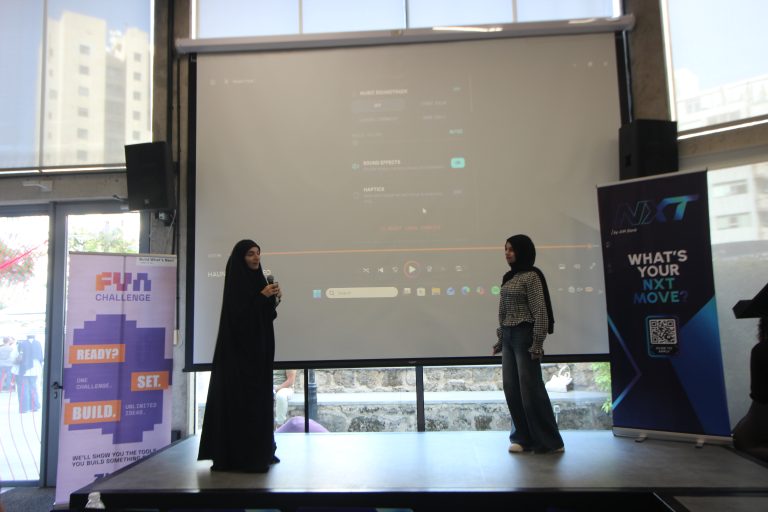
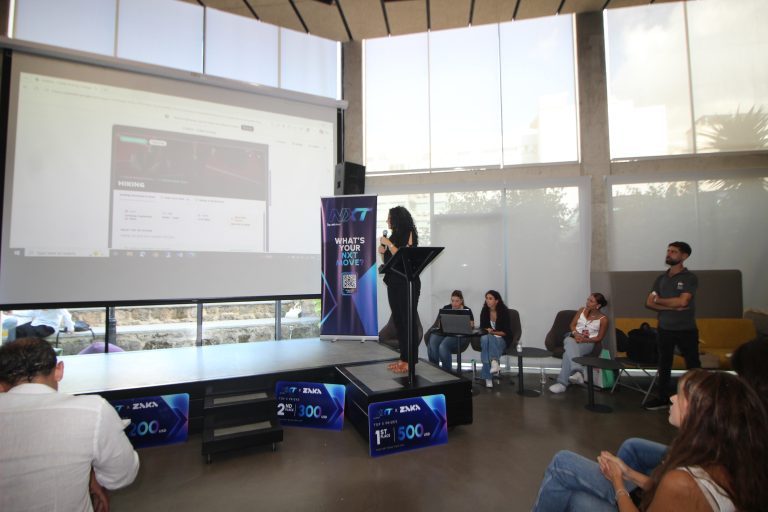
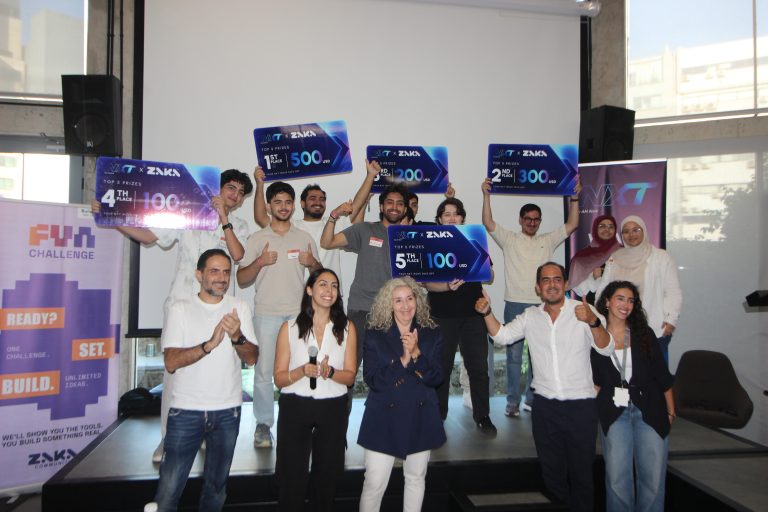
One of the clearest examples of the Festival’s hands-on philosophy was the FUN Challenge Final Ceremony, presented by ZAKA and NXT by AM BANK.
Teams had learned new AI tools, built projects in a short period of time, and then presented what they created live during the Festival.
It captured exactly what we wanted the Festival to encourage: at some point, you have to stop watching tutorials and build something.

The Festival was bigger than the agenda

 The official schedule only tells part of the story.
Company booths created another space for attendees to speak directly with organizations, explore opportunities, and meet the people behind the companies. Community Partners also brought their own communities into the Festival, creating smaller conversations and meetups alongside the main program.
Some of the most valuable moments happened between sessions: a student speaking with an engineer, a founder meeting someone who understood the problem they were trying to solve, or two people realizing they were working on similar ideas.
The day then came together again with the closing Networking & Happy Hour, giving people time to continue the conversations that had started throughout the Festival.

More than 2,000 registrations. More than 1,000 attendees.

We are proud of the numbers, but what they represent matters more.
There is a real appetite in Lebanon to go beyond hearing about AI and start applying it.
Developers want to build. Companies want to adopt AI in ways that create real value. Professionals want to understand how their roles are changing. Educators want to prepare students. Founders want to understand what they can now create. Students want to know where the opportunities are.
That is what Lebanon AI Festival became: a place where different parts of the ecosystem could actually meet.
The theme was Celebrating Lebanon’s AI Talent, and by the end of the day it felt less like a tagline and more like a description of what had happened.
We saw AI discussed and applied through software engineering, climate data, education, architecture, product management, marketing, hiring, operations, careers, entrepreneurship, and organizational transformation.
Different industries. Different professions. Different levels of technical experience.
One community trying to understand and build what comes next.


And to every company, partner, community partner, volunteer, builder, and attendee who joined us, thank you.


This was the first Lebanon AI Festival, and we are only getting started.

en_USEnglish